
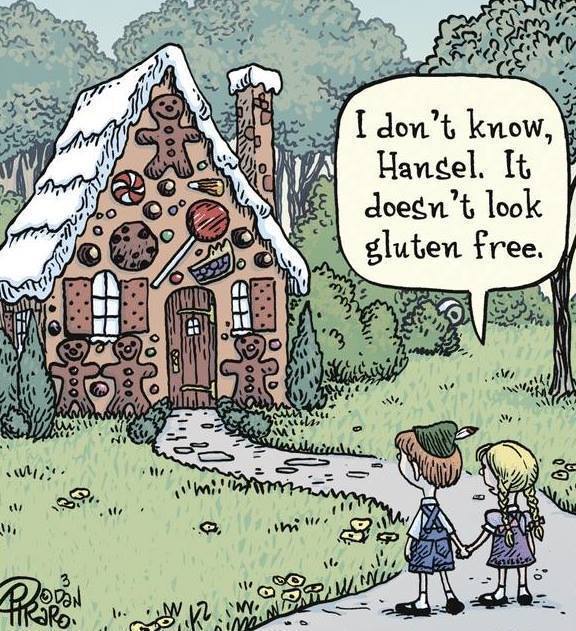
There is a spectrum of related conditions and diagnoses that fit under the gluten intolerant umbrella.
- Celiac disease (CD) is an immune-based reaction to the dietary protein gluten. It damages the mucosal lining of the small intestine and resolves with the removal of gluten from the diet. The diagnosis of CD is complex and tricky, involving serological testing, mucosal biopsies, genetic markers, and is often under diagnosed because no one test has perfect sensitivity or specificity. The array of symptoms related to CD is vast and it is estimated that 2.5 million Americans are undiagnosed. Here is a useful Q&A article to expand on the diagnosis of CD. For those diagnosed with CD, a gluten-free diet is necessary and the only proven therapy.
- Non- CD Gluten Sensitivity (NCGS) is a related condition that can cause a similar range of symptoms, but shows no signs of intestinal damage. Studies are indicating that this condition results in abnormally high levels of proteins activating inflammation and low levels of suppressors T cells to modulate the inflammation. Although the evidence has established gluten sensitivity as a real condition apart from celiac disease, it hasn’t yet yielded a diagnostic test or new treatment for gluten sensitivity. Thus, gluten sensitivity is still a diagnosis by elimination. Patients in whom celiac disease has been ruled out are asked to eradicate all gluten from their diet. If their symptoms improve, they are considered gluten sensitive.
- Allergy occurs when the body develops an antibody to specific portion in a food. This response involves a specific immune cell (immunogloblin E, IgE) neutralizing an allergen, such as wheat protein, directly or by signalling the rest of the immune system. Symptoms are often immediate or within a few hours: itching, swelling, hives, nasal congestion, headache, itchy eyes, difficulty breathing, and anaphylaxis. Avoiding wheat is the primary treatment for this condition.
What contains gluten?
Wheat (durum, emmer, spelt, farina, farro, KAMUT® khorasan wheat and einkorn),
barley, rye, spelt, triticale. Oats do not contain gluten, but are a potential source due to cross-contamination.

If you have CD, you must strictly follow a GF diet. Always. The impact of not managing CD can be serious. Essentially, the long-term impact of CD is malnutrition. The paramount effect related to a malnourished body is disease. Ironically, symptoms can often be confused as other diagnoses. Digestive issues, joint pain, infertility, iron deficiency, depression, bone loss, growth retardation, dental problems, and fatigue are all recognizable symptoms of CD.
Here is the nebulous bit: if you have a gluten sensitivity, you have a little more room to wiggle than do people with CD. Intolerance to food is often delayed and undetected because it involves immune cells getting activated indirectly. Intolerances result when a body is unable to process a part of a particular food, perhaps due to a lack of an enzyme, nutrient, or bacteria. Note, a food intolerance cannot be detected by lab test.
Think of a pot of water simmering at a low boil on the stove. This is your body maintaining balance, containing the cumulative, under the radar inflammation. If bit by bit you add noodles or turn up the heat, the boiling will no longer be contained within the pot. Depending on the individual, insults to body that drive unruly inflammation (and cause the pot to runneth over) include environmental factors such as pollen, cigarette smoke, pet dander, pesticides, sugar, stress, and foods. The story of a food sensitivity is intimately involved with inflammation. They dance back and forth. When ongoing inflammation is present, you can be more susceptible to developing food sensitivities. And unresolved food intolerances trigger chronic inflammation. If too many insults overwhelm your body, it may react with symptoms such as: skin conditions,“foggy mind”, depression, lack of focus, abdominal pain, bloating, diarrhea, constipation, headaches, bone or joint pain, and chronic fatigue.
Good news! One can combat and even reverse this damage in the body with a careful plan to identify sensitivities, heal the gut, and quench chronic inflammation.
Before going on GF diet, get a complete work up to rule out celiac disease. You must be eating gluten for accurate test results. It is important to make a correct diagnosis.
Then consider some guidelines for introducing a GF diet:
■ Negative blood tests for celiac disease and no sign of damage on an intestinal biopsy.
■ Symptom improvement when gluten is removed from the diet.
■ Recurrence of symptoms when gluten is reintroduced.
■ No other explanation for the symptoms.
Here is a great article to expand on introducing a GF diet.
If a gluten-free diet is indicated, it will take effort and you want to do it well as to avoid nutritional deficiencies such as B vitamins and fiber. Generally, it is avoiding common, everyday foods and paying attention to hidden ingredients that are not the obvious sources, such as bread, pasta, and cereals.
A gluten-free diet is a necessary medical treatment, not a weight loss diet, the latest trend, or a good reason to shop at Whole Foods.
And in other news, we keep some humor to CTFD.
Stay posted!
 CTFD Diet