
I am not sure how to translate CTFD into German. I think that is what I have been doing for the last few months- working on translating my life into German. Everything nutrition-related is getting lost in translation. Or maybe it is just lost.
When I was in my early 20’s, I was diagnosed with Ulcerative Colitis. It has been lurking in my health history for years. It comes and goes. For years now, it has been gone. I believe a combination of nutritional intervention and medicine keeps it manageable. I am grateful not to be one of the many patients I often saw in the hospital- significantly malnourished, treated with steroids, on parenteral nutrition, and/or awaiting surgery to remove part of the colon. But I am scared by the possibility. Although I don’t want it to be true, my colitis and other symptoms of “a gut out of balance” respond well to a gluten-free, dairy-free, low sugar diet. And so, I was that uptight white female shopping at Whole Foods for my organic gluten-free snack after a yoga class. Namaste, get out of my way!
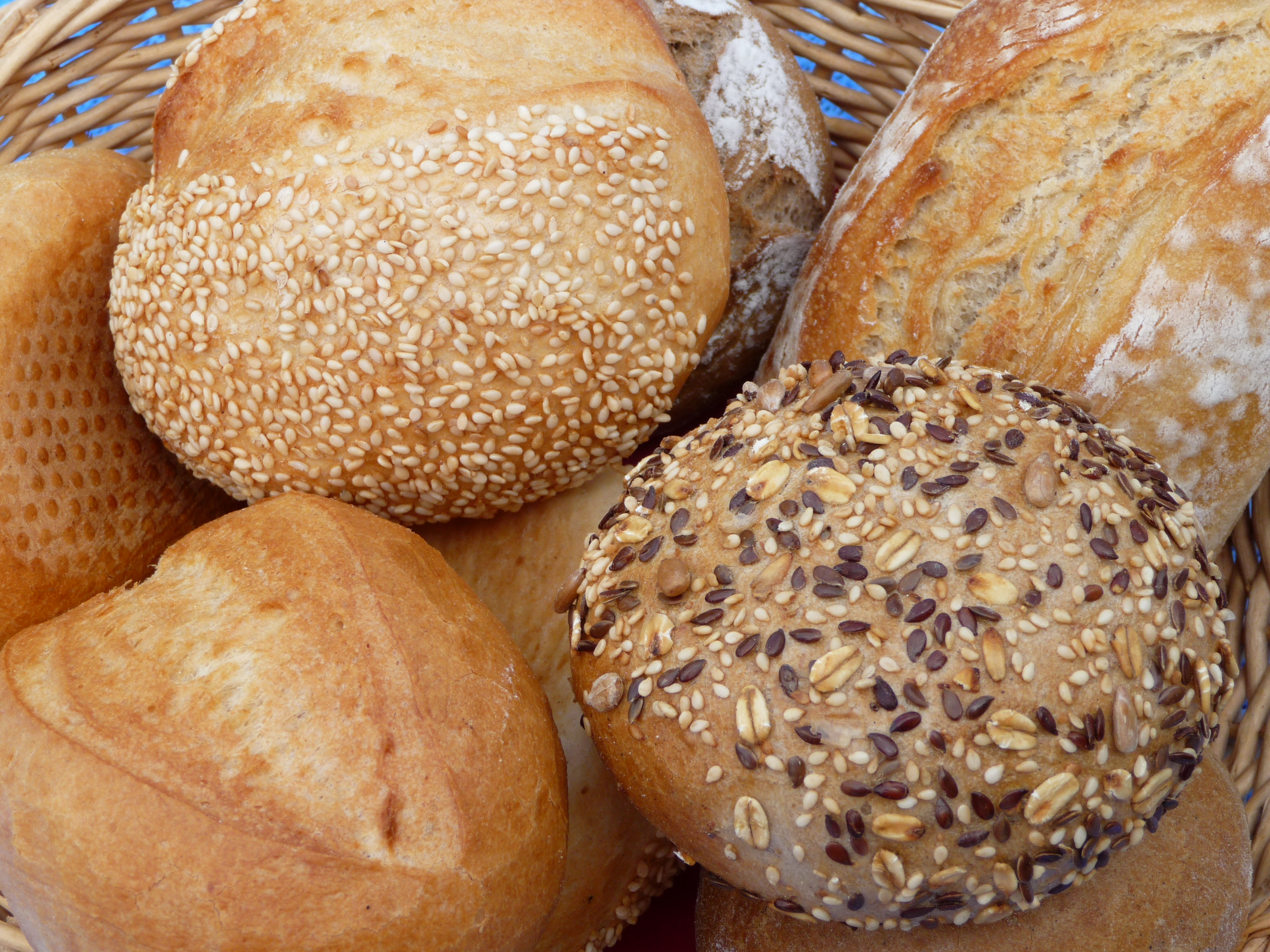
Now I am a genuinely lost American in Bavaria, Germany. In case you need a visual, imagine me next to a table of an endless variety of meat, bread, and cheese. In order maintain my sanity, I have allowed a lapse in my nutrition ideals. When in Germany, eat like a German?…CTFD and enjoy the culture?
Let’s just say, it hasn’t been going well. My gut is not good.
Every Monday and Wednesday, I need to make a snack for my daughter for preschool. It’s called Brotzeit…literally translated it’s “breadtime”. As an act of defiance, I send “ants on a log”, kale chips, bananas with coconut and peanut butter, carrots and hummus. My daughter wants me to try her favorite- a Leberkäse sandwich ( translated to “liver cheese”, yet it is not either liver or cheese…I’m so confused).
What next?
 CTFD Diet
Liver used to be added to Leberkäse, hence the first part of its name. It’s called Käse due to the shape of finished product.
Thanks, Bee! Good to know